Inside the Work: Mental Health, Neuroscience, and Somatic Healing
Perspectives from a licensed counselor in Boise, Idaho
on what it actually takes to heal.

Do I Need Nervous System Regulation or Trauma Processing?
You understand your patterns. You know your triggers. You may even know how to calm your nervous system. But what happens when the same reactions keep coming back? Learn the difference between nervous system regulation and trauma processing, and why knowing what your response needs can change the way you approach therapy.

Why Professionals with Demanding Schedules Are Choosing Therapy Intensives Over Weekly Sessions
If your schedule doesn't allow for weekly therapy, you are not out of options. A therapy intensive compresses months of work into one extended session — and for professionals with demanding schedules, it is often a better fit than the standard weekly model.
Nervous System Regulation: What it is and How to Support It
Regulation is not calm. A regulated nervous system is not one that stays peaceful no matter what happens. It is one that can move into stress when life calls for it and come back down afterward without getting stuck. If you have understood your patterns for years and still feel them, the work has not failed. It just needs to move to the layer where the pattern actually lives.

What Happens in a Therapy Intensive
Insight accumulates. The pattern stays. For some people, the missing piece is not more therapy. It is more time. Here is what actually happens inside a three-hour intensive.

What Is Brainspotting and How Does It Actually Work?
Brainspotting is one of the most effective modalities I use in my practice and one of the least understood by the people who would benefit from it most. This is a clear, honest explanation of what it is, how it works, and who it tends to help.

What High Achievers Get Wrong About Healing Trauma
Most high achievers approach trauma the same way they approach every other problem: with research, self-awareness, and a commitment to figuring it out. Here's why that framework has limits, and what actually completes the work.

Why You Still Feel Anxious, Even After Going to Therapy
You've done the work. You can name the patterns and track where they came from. The anxiety is still there. Here's why insight and nervous system regulation are different processes, and what the next layer of work looks like.

Burnout and the Nervous System: Why High Achievers Hit a Wall
Burnout rarely arrives all at once in high achievers. It builds slowly while everything still looks fine on the outside. Here's what's actually happening in the nervous system, and why rest alone doesn't fix it.

Why Some Reactions Happen Before You Can Think Them Through
Some reactions happen before you have time to think. This post explains why anxiety and stress responses can feel automatic, even when you understand yourself well.

When Calm Feels Unsettling: Understanding Long-Term Sympathetic Adaptation
For some people, slowing down feels like relief. For others, the body gets more agitated, not less. Here's the physiological reason calm can feel unsettling, and what actually helps.

Why Your Nervous System Does Not Believe Life Is Safe Yet
Life can look more stable, yet your nervous system stays on guard. This post explores why the body does not automatically register safety, even after real progress and meaningful change.

When Everything Feels Like Too Much: Understanding Overstimulation
Overstimulation rarely shows up as one big moment. It builds slowly through too much input and not enough recovery. Here's what's behind it and what actually helps your nervous system reset.

5 Somatic Micro-Habits to Support Nervous System Regulation Every Day
Calm doesn't require a retreat or an hour-long practice. Here are five quick, body-based habits that train your nervous system toward steadiness, one small moment at a time.

What to Look for in a Therapist for Your Teen
Searching for a therapist for your teen brings up a real tension: will they actually open up, and will you still know what's going on? Here's how I handle that balance, and what to look for as you search
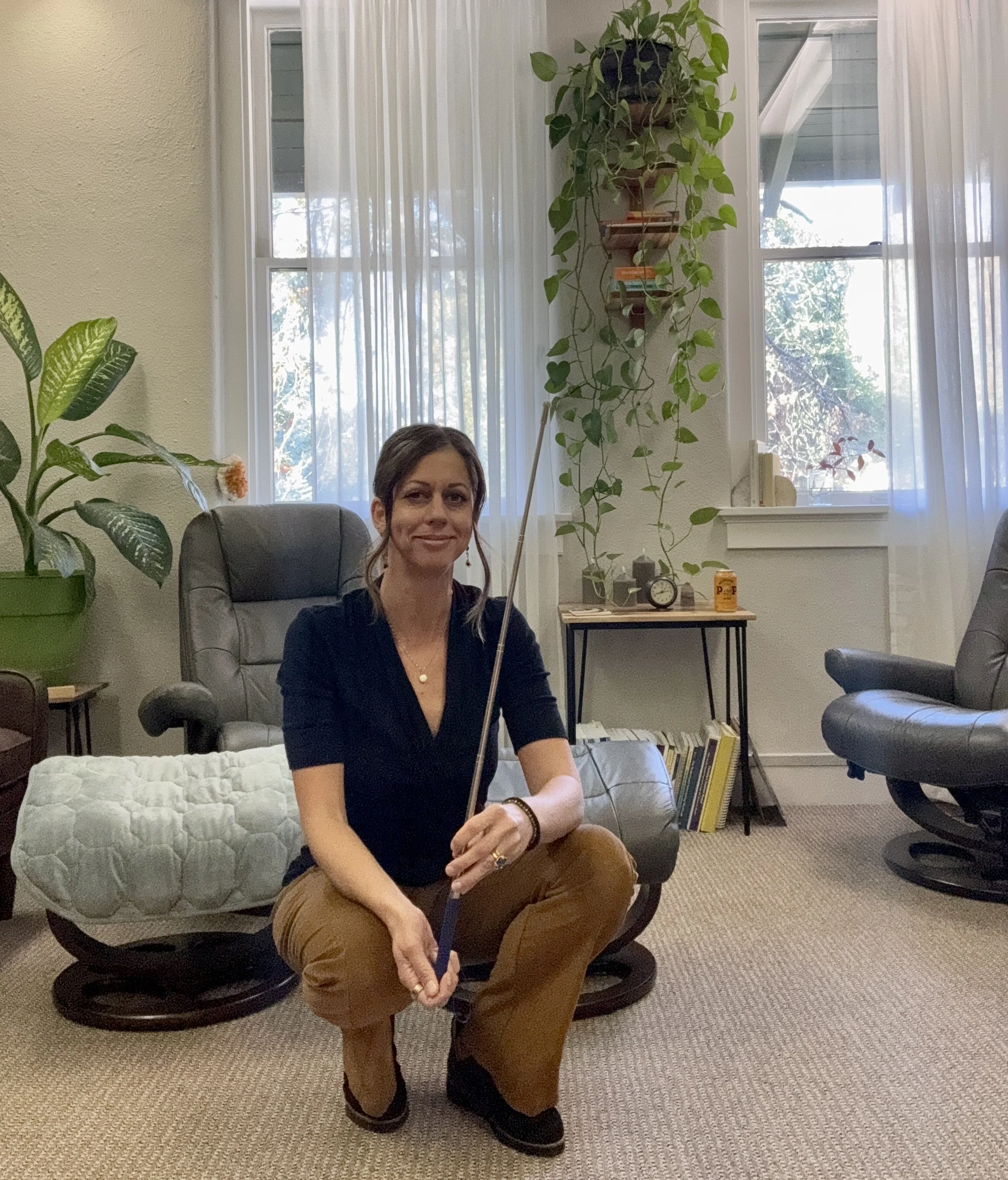
Why I Use Brainspotting: A Therapist's Perspective on Embodied Healing
Brainspotting is the modality I trust most in my practice. Here's why I chose it, what it did for me personally, and what I consistently see it do for clients.

Why Talk Therapy Alone Isn't Enough: A Holistic and Integrative Approach to Trauma
Talk therapy is a strong foundation, but trauma and anxiety often live in the body, not just the mind. Here's how I bring in Brainspotting, somatic work, breathwork, and restorative yoga to support healing that goes deeper.

Can AI Help You Process Anxiety? What It Can and Can't Do
A lot of my clients have talked to AI about their anxiety before they ever book a session with me. Here's an honest look at what that can actually help with, and where it runs into a wall.

When Panic Happens Out of the Blue: Nervous System Overload & What You Can Do
Panic can feel like it comes out of nowhere, but it's not random. Here's what's actually happening in your nervous system, and a few real ways to bring your body back to steady.

Healing Trauma from the Top-Down & Bottom-Up: Why Talk Therapy and Body-Based Practices Work Together
Understanding why you feel a certain way doesn't always change how your body responds. Here's why combining talk therapy with body-based work like Brainspotting often gets further than either one alone.

6 Steps to Starting Holistic Trauma Therapy: What to Expect & How to Prepare
Starting therapy comes with its own kind of decision fatigue. Here's exactly what to expect, from your first message to the work itself, so you know what you're walking into.
Connect on IG @brainspotting.idaho